
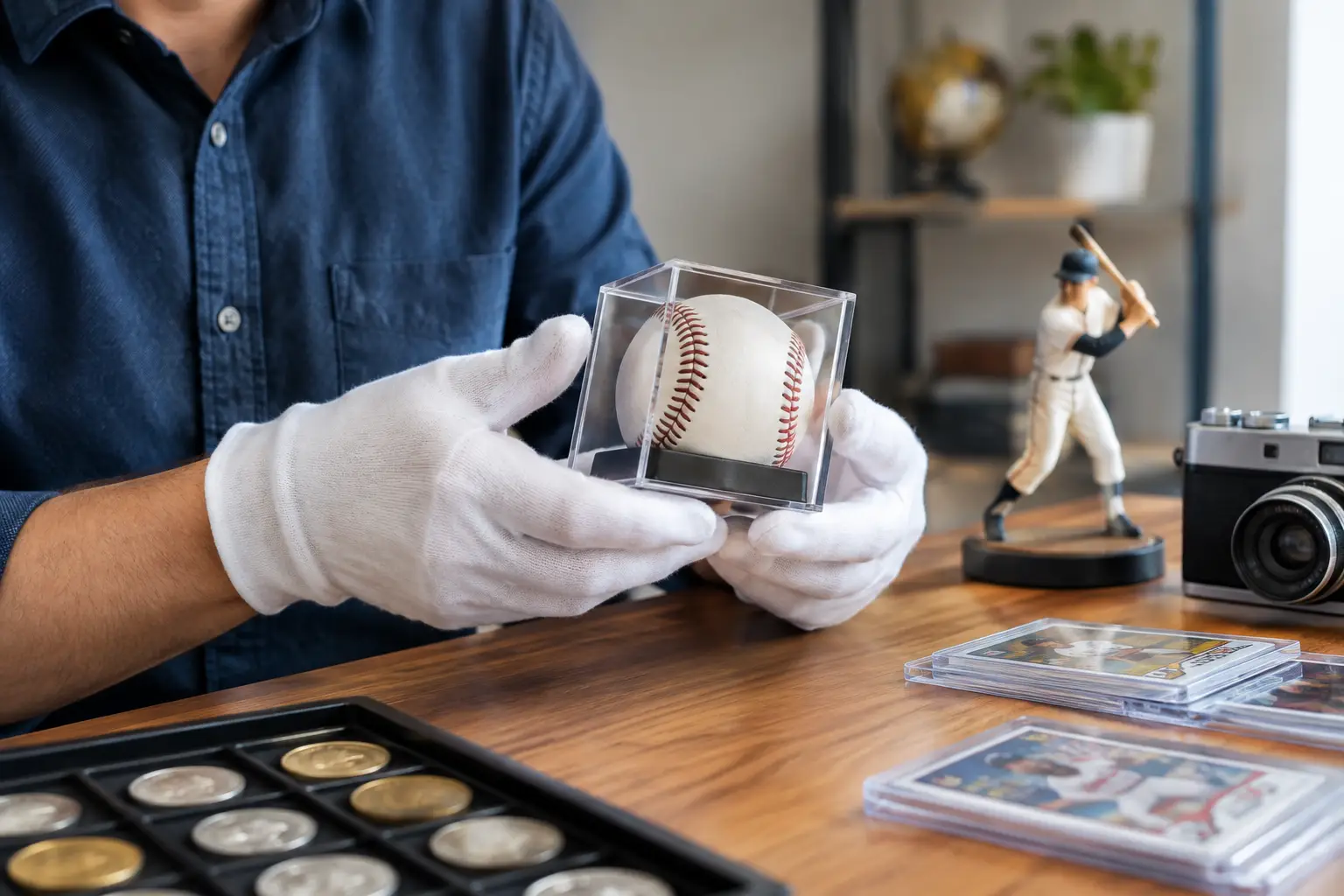
A burst pipe does not distinguish between ordinary household contents and a signed first-edition book, a vintage watch, or a carefully assembled coin collection. Yet a standard homeowners policy often does. Finding the best insurance for collectibles means looking beyond a broad promise of personal-property coverage and designing protection around what each item is worth, how it is stored, and what it would take to replace after a loss.
For many collectors, the collection did not become valuable all at once. A few pieces became dozens. Purchases were made over years, market values changed, and some items became difficult to replace at any price. That is when coverage deserves the same discipline that went into building the collection.
Why standard homeowners coverage may fall short
Homeowners insurance generally includes coverage for personal property, and that can provide meaningful protection for everyday belongings. Collectibles, however, may be subject to special limits, deductibles, valuation conditions, or exclusions that change the result when a claim occurs.
A policy may limit payment for categories such as jewelry, coins, precious metals, fine art, firearms, or collectibles that are stolen. It may cover a loss caused by certain events but not accidental breakage, mysterious disappearance, flood, or other risks that matter to the collection. A collection worth $25,000 can be materially underprotected if the relevant category limit is only a fraction of that amount.
The issue is not that homeowners coverage is inherently inadequate. It is that broad household coverage was designed for a broad household exposure. A collection with distinct value, provenance, and handling needs often requires a more deliberate structure.
What the best insurance for collectibles should address
The right coverage is not necessarily the policy with the lowest deductible or the broadest marketing language. It is the arrangement whose terms match the collection's real exposures. Begin with four questions: What do you own? What is it worth today? Where does it go? What could happen to it?
A well-designed approach may include scheduled personal property coverage, a dedicated collectibles policy, or a combination coordinated with the homeowners policy. The appropriate structure depends on the type and value of the collection, the carrier's eligibility requirements, and the perils you want covered.
Valuation is the foundation of the claim
The valuation basis determines how a policy responds after covered damage or theft. Actual cash value may account for depreciation. Replacement cost generally addresses what it costs to replace an item, subject to the policy's terms. Agreed value or stated value arrangements can establish a value in advance, but the wording matters: those terms are not interchangeable across policies.
For a collectible, replacement cost can be difficult to define. A replacement may not exist in the same condition, edition, grade, or provenance. That is why current appraisals and clear valuation discussions are central to the architecture of protection. If a vintage guitar has appreciated substantially, an old purchase receipt is useful history, but it may not establish an adequate current limit.
Values should be reviewed periodically, especially after major acquisitions, market shifts, restoration, or authentication. Underinsuring a collection to reduce premium can leave the owner carrying a large share of the loss. Overstating values can create unnecessary cost and scrutiny. Precision protects both ways.
Covered causes of loss matter as much as the limit
A $50,000 limit has limited value if the event that damages the collection is excluded. Review whether coverage applies to theft, fire, water damage, smoke, vandalism, accidental breakage, and loss while items are away from home. For collectors who display pieces, lend them to exhibitions, travel with them, or keep them in a second residence, off-premises coverage is particularly important.
Some risks need to be handled separately. Flood and earthquake damage are commonly treated differently from standard homeowners claims. Gradual deterioration, insects, wear, poor maintenance, inherent vice, and temperature or humidity issues may also fall outside coverage. Fine wine, art, antiques, instruments, and archival materials can be especially sensitive to environmental conditions.
Protection planning should pair insurance with sensible loss control: secure storage, monitored alarms where appropriate, climate control, careful packing, and qualified transportation. Insurance responds after a covered loss. Preservation reduces the chance that loss happens in the first place.
Deductibles, sublimits, and settlement conditions can change the outcome
A deductible may be manageable for a major loss but impractical for repeated smaller damage claims. Some scheduled coverage options have low or no deductible for covered items, while other policies apply the homeowners deductible. Neither approach is automatically better. The right choice depends on the collection's value, the owner's tolerance for retained risk, and the premium difference.
Also look for sublimits that apply within a larger personal-property limit. Ask whether the policy pays a scheduled amount, a market-based amount, repair cost, or replacement cost. If an item is repaired, who determines whether the repair restores its value? These are claim questions worth answering before a claim exists.
Build a collection record before you need it
Documentation is one of the strongest practical tools a collector has. It supports underwriting, helps establish value, and makes a claim more orderly during a stressful time. A detailed inventory should identify each item, its purchase date and price when known, current estimated value, serial number or distinguishing marks, and its usual storage location.
Photograph each piece clearly, including signatures, labels, certificates, and condition details. Retain purchase records, professional appraisals, grading reports, restoration records, provenance documents, and authentication materials. Store digital copies away from the home, with a trusted cloud service or secure external backup, so a fire or theft does not remove both the collection and the evidence of ownership.
Not every item requires a formal appraisal every year. Lower-value pieces may be supported by receipts, market records, and photographs. For high-value, rare, or rapidly appreciating items, a qualified appraisal may be essential. The goal is a record that can withstand a real claim review, not a vague estimate created after a loss.
Coordinate collectibles coverage with the rest of your protection
A collection is part of a household's larger property risk, not an isolated policy decision. The homeowners policy, scheduled-property coverage, deductible choices, residence security, and storage arrangements should work together rather than create gaps or duplicate costs.
For example, an art collection stored in a detached studio raises questions about the structure, security, climate conditions, and whether the policy recognizes that location. A watch collection kept in a safe may have different theft and travel considerations. A collector who buys and sells pieces frequently may need to update values and item schedules more often than someone preserving a stable family heirloom collection.
Liability can also enter the picture when valuable items are displayed or handled by guests, appraisers, repair specialists, or transport providers. The details of custody, care, and control matter. A careful review identifies where the responsibility for a loss may shift and which policy is intended to respond.
Questions to ask when evaluating coverage
Before selecting or changing coverage, ask for a plain-language explanation of the valuation method, covered causes of loss, exclusions, deductibles, and settlement process. Confirm whether every high-value item must be scheduled individually and how new acquisitions are treated during the first days or months after purchase.
Ask how coverage works away from the residence, in storage, during shipment, and while an item is being repaired or displayed. Clarify any security requirements, appraisal standards, and deadlines for updating documentation. These details are not administrative fine print. They are load-bearing parts of the protection design.
The best policy is also one you can maintain. If a schedule requires updates after every purchase, establish a simple process for submitting new information. If values are market-sensitive, set an annual review date. Shield Pro Insurance approaches these decisions as the architecture of protection: each limit, endorsement, and record should support the next when an unexpected event tests the plan.
A collection often represents more than its resale value. It carries judgment, history, patience, and personal meaning. Treat its insurance with the same care, and you give yourself a clearer path to recovery if the unexpected reaches what you chose to preserve.