
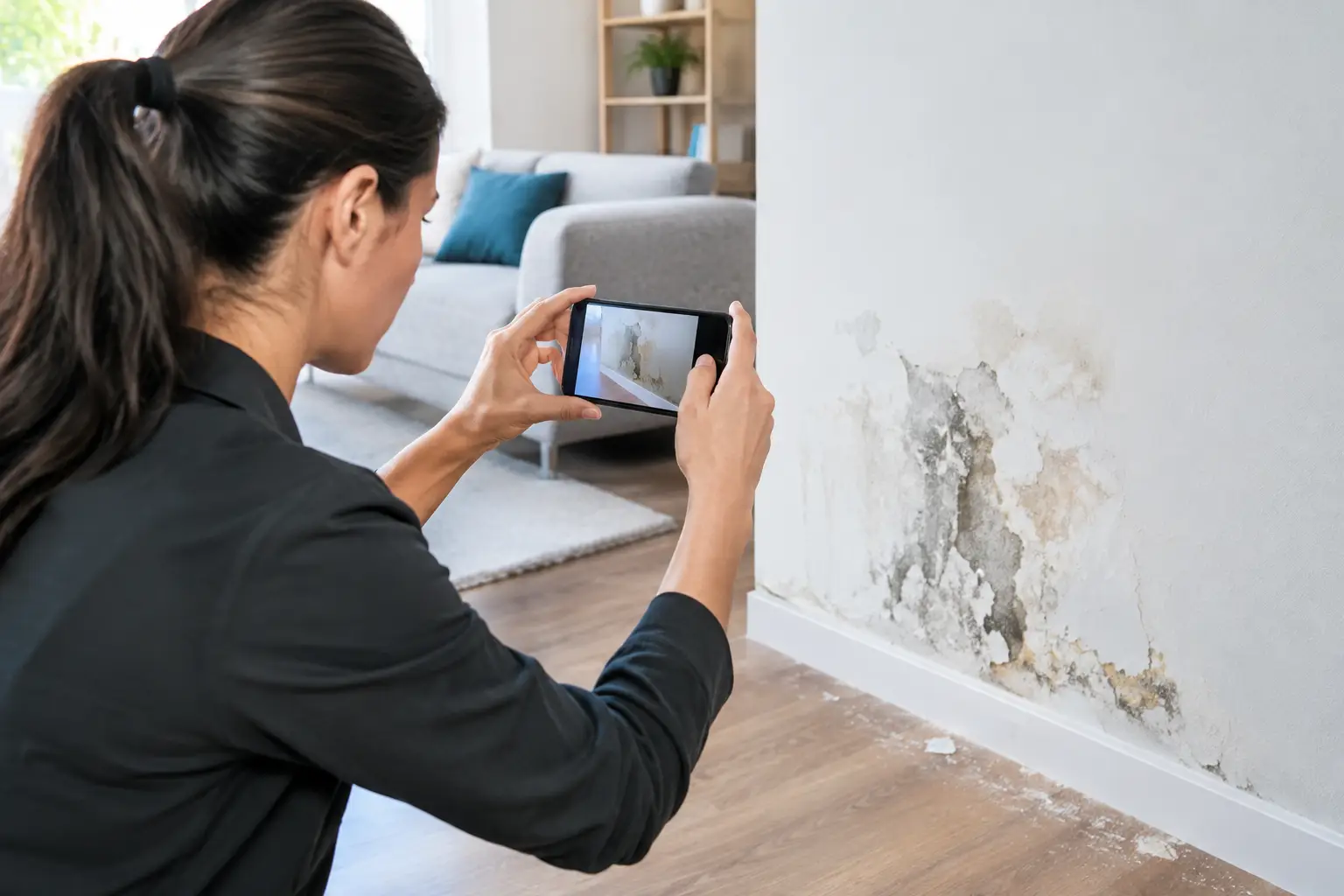
A burst supply line can turn a quiet morning into a costly disruption within minutes. Water spreads under flooring, belongings must be moved, and decisions made in the first few hours may affect both recovery and the clarity of an insurance claim. Knowing how to document property damage gives you a reliable record of what happened, what was affected, and what actions were necessary to protect the property from further loss.
The goal is not to create perfect paperwork while under pressure. It is to build an accurate, organized account that helps establish the condition of the property, the cause of damage when known, the scope of the loss, and the expenses that followed. This record becomes part of the architecture of protection around the assets you have worked to build.
Start With Safety and Loss Prevention
Documentation comes after immediate safety. If there is a fire risk, structural concern, active electrical hazard, gas odor, or standing water near electrical equipment, leave the area or contact the appropriate emergency service. Do not enter a damaged structure simply to take photographs.
Once it is safe, take reasonable steps to prevent additional damage. For a water loss, that may mean shutting off the water source, moving undamaged belongings to a dry area, or placing a temporary covering over an opening in the roof after a storm. For a vehicle incident, it may mean moving the vehicle from traffic when possible and lawful.
These mitigation steps matter. Most policies expect policyholders to protect covered property from further damage after a loss. Keep records of what you did, when you did it, and what it cost. Take photos before making temporary repairs whenever conditions allow. The distinction is important: prevent further harm, but do not begin permanent repairs or discard damaged materials before the claim can be evaluated unless directed otherwise or safety requires it.
How to Document Property Damage Clearly
The strongest documentation tells a complete visual story. Start wide, then move closer. Photograph the exterior of the property, the affected room or area, and the path of damage before capturing close-ups of individual materials and belongings.
For example, after wind damage, take broad images showing the roofline, siding, fencing, and surrounding conditions. Then photograph missing shingles, lifted flashing, water stains, broken windows, and damage inside the home. After a plumbing leak, capture the source if identifiable, the water path, affected ceilings and floors, and each damaged item.
Use both photos and video. Photos preserve detail and are easier to label. A slow video walkthrough can establish the relationship between damaged areas, especially when a loss affects several rooms. Speak plainly in the video if helpful: identify the room, the date, and what the camera is showing. Avoid speculation about the cause if you are uncertain. Describe what you can observe rather than assigning blame or making technical conclusions.
Do not rely on a few close-up photos. A picture of a cracked tile is useful, but it is much more meaningful when paired with images showing where that tile sits in the room and how far the damage extends.
Capture identifying details
Include serial numbers, model numbers, labels, and manufacturer tags when they are available. These details help establish the identity and age of appliances, electronics, tools, and other personal property. Photograph the make and model information before an item is removed for service or disposal.
For high-value items such as jewelry, artwork, collectibles, firearms, or specialty equipment, use prior appraisals, purchase records, and existing inventory records if you have them. Coverage for certain categories may be subject to special limits or may require separate scheduling. Documentation supports the claim, but the policy language determines what coverage applies.
Create a Written Damage Log
Photographs show condition. A written log supplies context. Create a simple record as soon as practical and update it as events unfold. Include the date and approximate time the damage was discovered, the weather or event conditions, the steps taken to limit further loss, and every person or service provider involved.
Your log should also track calls and communications. Note the date, time, name, company, phone number, and a brief description of each conversation with contractors, restoration providers, inspectors, or the insurance carrier. If someone gives instructions, write down what was said and retain related emails, text messages, and estimates.
Keep the description factual. Instead of writing, “The roof was ruined by the storm,” write, “At approximately 7:15 a.m., I observed shingles on the lawn, a section of exposed roof decking above the rear bedroom, and water on the bedroom floor.” Specific observations are more useful than broad conclusions.
Build an Inventory of Damaged Belongings
When personal property is involved, create an item-by-item inventory. This can be a spreadsheet, a notes document, or a carrier-provided form. The format matters less than completeness and consistency.
For each item, record its description, brand, model or serial number when available, approximate age, original purchase price if known, estimated current value if requested, and the nature of the damage. Add supporting photos and receipts whenever possible.
Focus first on major items and items that may be removed quickly, such as wet furniture, electronics, clothing, appliances, or damaged building materials. Then work room by room. This approach reduces the chance that smaller losses disappear from memory once cleanup begins.
Do not guess when records are unavailable. Mark the information as approximate and gather support where possible through bank statements, order confirmations, old photographs, user manuals, warranties, or retailer records. A family photo taken in a living room may help establish that a television, furniture set, or artwork was present before the loss.
Preserve Evidence Before Cleanup
Cleanup is often urgent, particularly after water, smoke, or storm damage. Still, preserve reasonable evidence before damaged property leaves the site. Photograph items from multiple angles and retain damaged components when practical. If a contractor removes a failed pipe fitting, damaged appliance part, or section of roofing, ask whether it can be retained until claim instructions are clear.
There are exceptions. Mold growth, contaminated water, unstable materials, and dangerous debris may require immediate removal. In those situations, document thoroughly first if it is safe to do so, and keep invoices, disposal records, and contractor reports explaining why emergency work was necessary.
Temporary repairs deserve the same attention. Save receipts for tarps, dehumidifiers, emergency plumbing services, water extraction, board-up work, and reasonable relocation costs if applicable. Photograph the temporary protections in place. These records show both the condition of the property and the efforts made to control the loss.
Report the Loss Promptly and Keep Policy Details Close
Prompt reporting helps the claim process begin while evidence is fresh and conditions can be inspected. Have your policy number, property address, date of loss, contact information, and a short factual description ready. Ask what immediate steps the carrier recommends and whether there are requirements before repairs proceed.
It is wise to review the relevant policy provisions as the claim develops. Deductibles, exclusions, limits, settlement terms, and additional living expense provisions can shape the financial outcome. A water event, for example, may be treated differently depending on whether it resulted from a sudden plumbing failure, surface water, a sewer backup, or long-term seepage. The source and circumstances matter.
If an adjuster, contractor, or restoration provider visits the property, keep copies of estimates, reports, moisture readings, invoices, and scope-of-work documents. Compare these records against your own photos and log. If you notice an omission or disagree with a description, raise the concern promptly and provide the documentation that supports your position.
Avoid Common Documentation Mistakes
The most damaging mistake is waiting until cleanup is nearly complete before taking photos. Other avoidable problems include throwing away damaged items too early, relying only on verbal conversations, mixing pre-existing damage with new damage, and accepting incomplete estimates without reviewing the affected areas carefully.
Avoid editing photos in a way that changes their appearance. Cropping for clarity is one thing; filters, enhancements, or alterations can create unnecessary questions. Preserve original files and back them up in more than one place, such as a secure cloud folder and a personal device.
Also avoid treating documentation as a one-time task. Property damage can develop over days or weeks. A ceiling stain may spread, wood flooring may buckle after drying begins, or hidden moisture may become visible later. Continue taking dated photos and adding notes when the condition changes.
A well-documented loss cannot change the event itself, but it can bring order to a difficult moment. Clear records help protect your position, support thoughtful claim discussions, and give the recovery process a stronger foundation when your property needs it most.